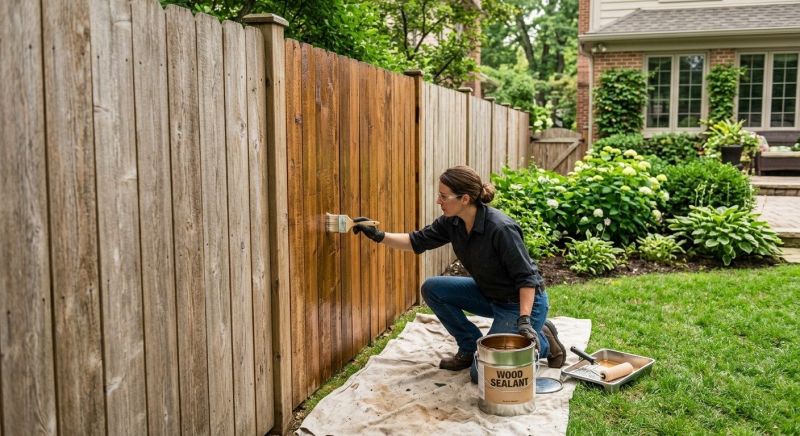
Cedar Fence Sealing in Tacoma, WA
Cedar fence sealing services involve applying protective treatments to cedar fences to help preserve their appearance and structural integrity. This process typically includes cleaning the fence surface and then applying a sealant designed to repel moisture, prevent rot, and reduce the effects of weathering. Projects can range from sealing individual sections of fencing to larger installations around residential properties, ensuring that the cedar maintains its natural beauty and durability over time.
Homeowners interested in cedar fence sealing should consider the condition of their fence, the type of sealant used, and the recommended maintenance schedule. It’s important to understand that sealing can extend the lifespan of the wood, but it may need to be reapplied periodically. Property owners often want to know the best times of year for sealing, the benefits of different sealant options, and how proper preparation can impact the overall effectiveness of the treatment before requesting this service.
Many property owners in Tacoma, WA look into Cedar Fence Sealing for repairs, replacements, upgrades, and appearance-related improvements.
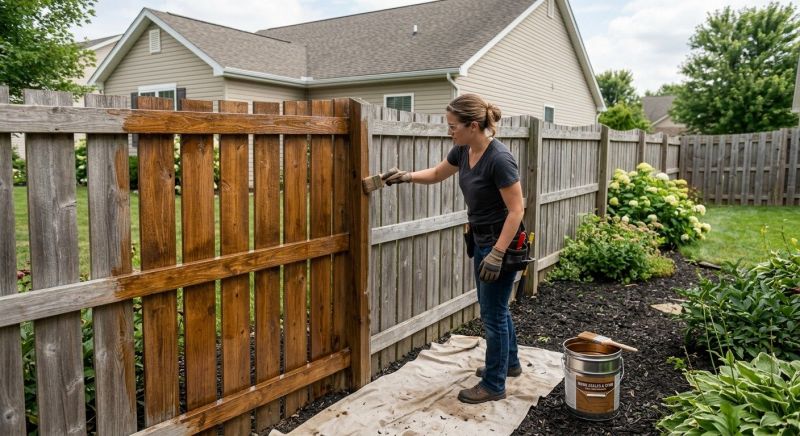
Protecting Cedar Fences
Sealing helps prevent water damage and extends the lifespan of cedar fences in tacoma.
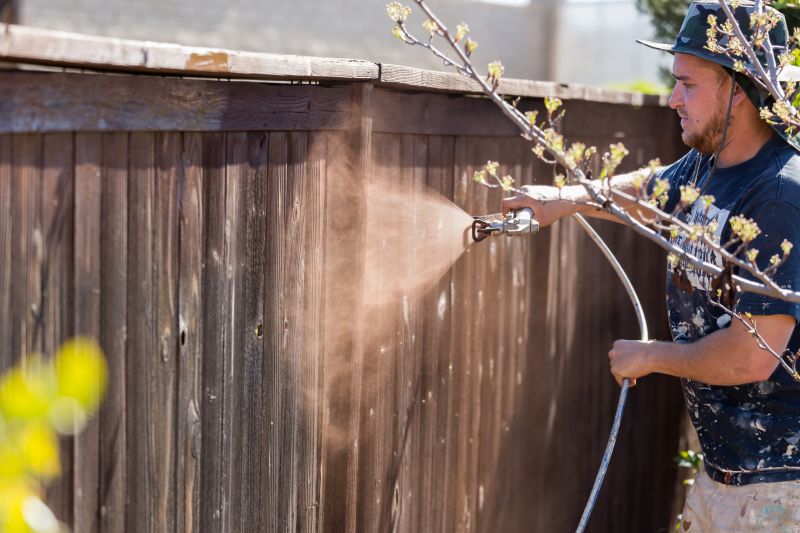
Enhancing Fence Appearance
A quality sealant can improve the natural beauty of cedar and keep it looking fresh.
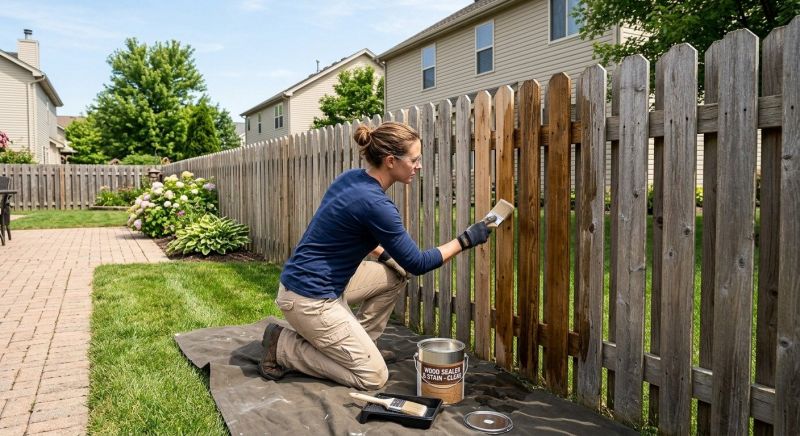
Maintaining Fence Durability
Regular sealing safeguards cedar fences against weathering and rot in the pacific northwest climate.
Cedar Fence Sealing in Tacoma, WA
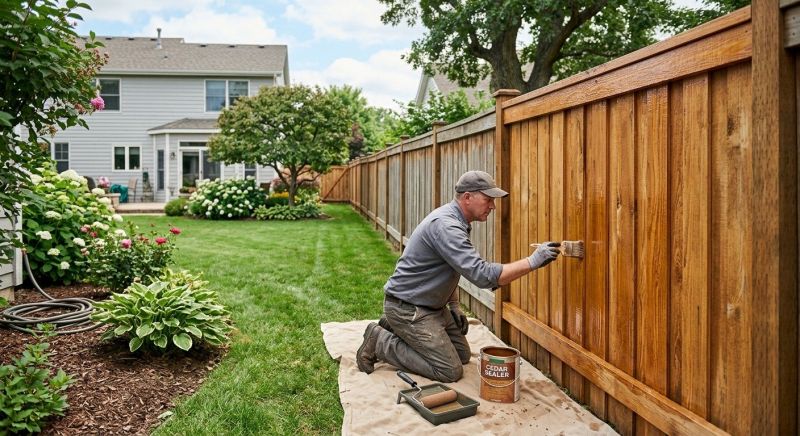
Cedar fence sealing services involve applying protective treatments to cedar fences to help preserve their appearance and structural integrity. This process typically includes cleaning the fence surface and then applying a sealant designed to repel moisture, prevent rot, and reduce the effects of weathering. Projects can range from sealing individual sections of fencing to larger installations around residential properties, ensuring that the cedar maintains its natural beauty and durability over time.
Homeowners interested in cedar fence sealing should consider the condition of their fence, the type of sealant used, and the recommended maintenance schedule. It’s important to understand that sealing can extend the lifespan of the wood, but it may need to be reapplied periodically. Property owners often want to know the best times of year for sealing, the benefits of different sealant options, and how proper preparation can impact the overall effectiveness of the treatment before requesting this service.
Many property owners in Tacoma, WA look into Cedar Fence Sealing for repairs, replacements, upgrades, and appearance-related improvements.
Common Cedar Fence Sealing Jobs
Residential fence sealing - protects cedar fences from weathering and enhances durability.
Fence maintenance - preserves the natural appearance of cedar wood while preventing rot.
Outdoor fencing projects - extends the lifespan of fences exposed to rain and moisture.
Privacy fence sealing - maintains the integrity and aesthetic of privacy fences in residential yards.
Deck and backyard fencing - helps keep outdoor structures weather-resistant and looking their best.
Fence restoration - refreshes faded or worn cedar fences with effective sealing treatments.
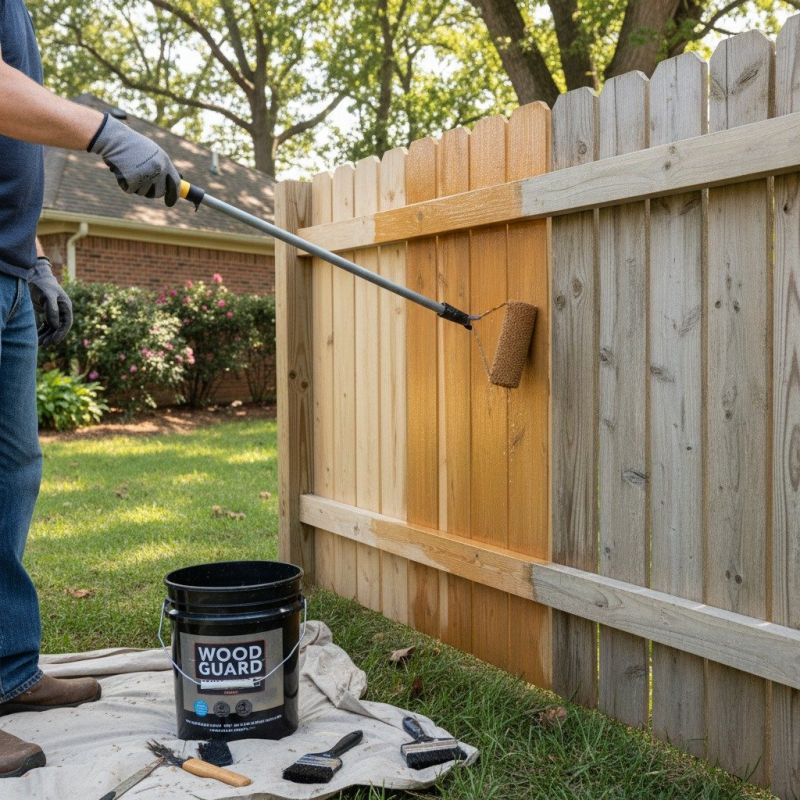
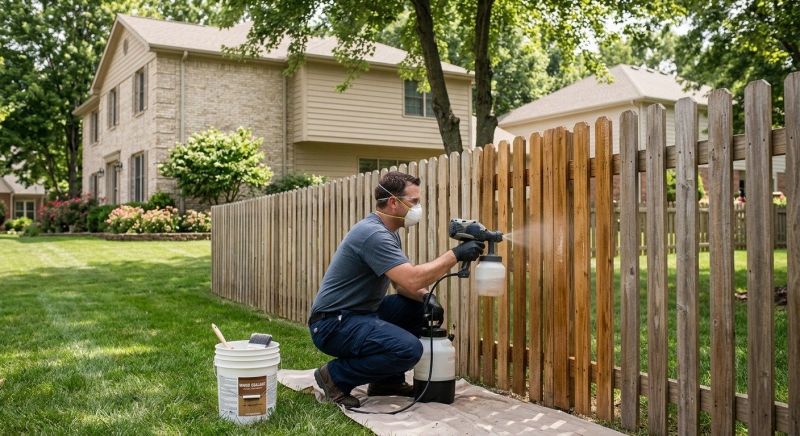
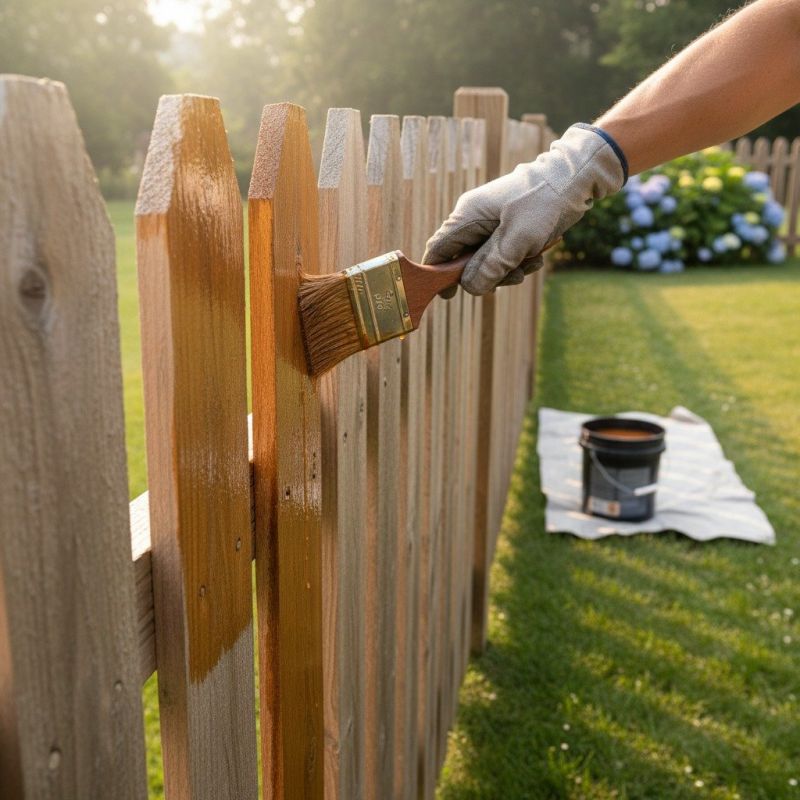
Cedar Fence Sealing Questions
Why is sealing a cedar fence important? Sealing helps protect cedar from moisture, UV damage, and pests, extending its lifespan and maintaining its appearance.
How often should a cedar fence be sealed? It is generally recommended to reseal a cedar fence every 2 to 3 years to keep it protected and looking its best.
What types of sealants are suitable for cedar fences? Clear, semi-transparent, or tinted sealants are common choices, providing protection while showcasing the wood's natural beauty.
Can sealing improve the appearance of a cedar fence? Yes, sealing can enhance the color and grain of cedar, giving it a fresh and well-maintained look.
Request Cedar Fence Sealing in Tacoma, WA
Use the quote form on this page to share the basics of your project and request more information for the type of work you need.